
Rainwater Harvesting Systems Plumbing Services in Thompsons, TX
Thompsons Rainwater Harvesting Systems Pros on call now in Fort Bend County
Rainwater Harvesting Systems is an environmentally conscious plumbing service that involves the design and installation of systems to collect, store, and reuse rainwater for non-drinking uses. These systems typically consist of catchment surfaces, filtration units, and storage tanks, promoting sustainable water use in gardening, sanitation, and general cleaning. Properly installed systems help cut expenses and support environmental sustainability
We provide top notch Plumbing services throughout Fort Bend County. Whether you need help with Rainwater Harvesting Systems or other issues, our Pros is ready.

Plumbing Services in Thompsons, TX
Setting up dishwashing machines, hot water heater (tank and tankless), garbage disposals, and washing makers.
Ensuring backflow avoidance gadgets are working correctly.
Relocating or upgrading plumbing systems.
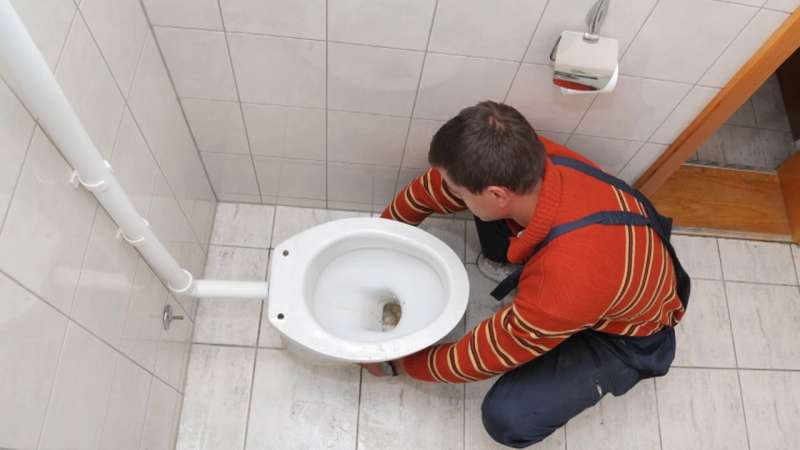
Making sure plumbing systems meet local policies.
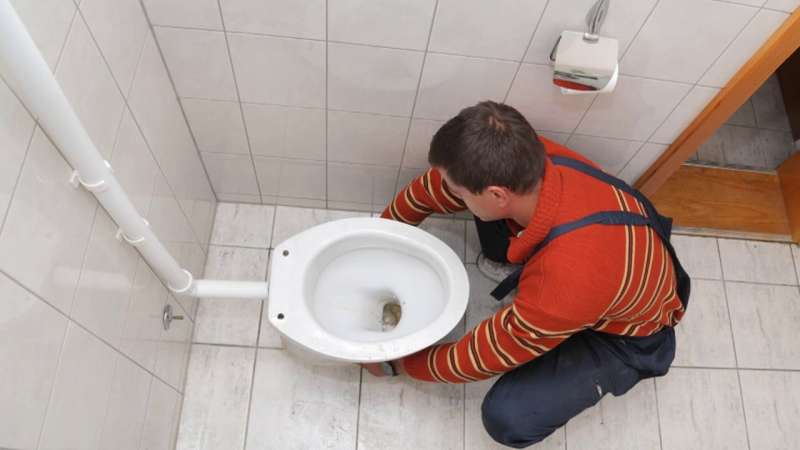
Immediate action to prevent flooding and water damage.
Clearing obstructions in sinks, toilets, showers, and sewage system lines.
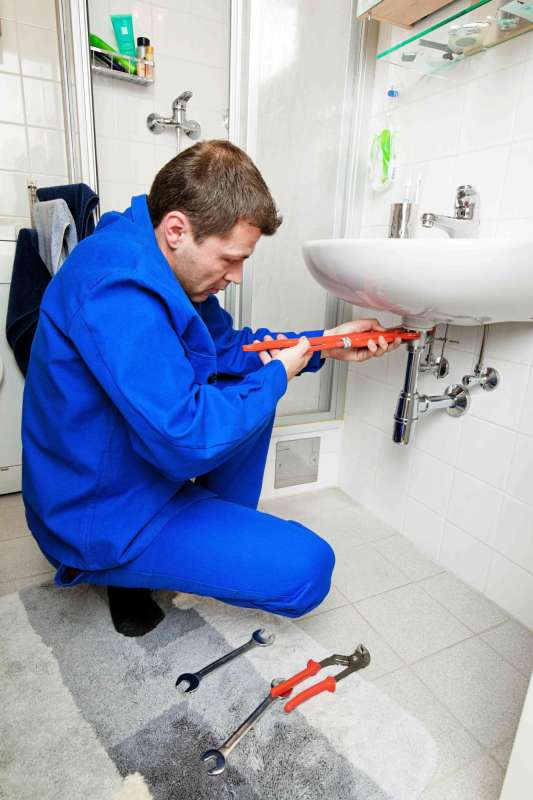
Routine cleansing to prevent blockages and preserve flow.

Repairing malfunctioning faucets, toilets, and other fixtures.
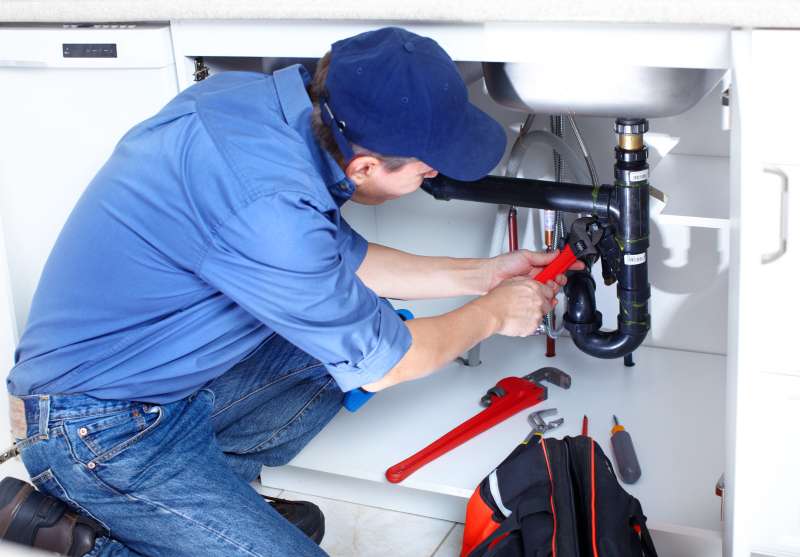
Installation of sinks, faucets, toilets, tubs, and showers.

Emergency detection and repair to prevent threats.

Repairing gas leakages and ensuring correct gas line functioning.

Establishing systems for recycling home wastewater.
Installing and keeping glowing floor heating unit.
Specialized piping for factories or commercial settings.
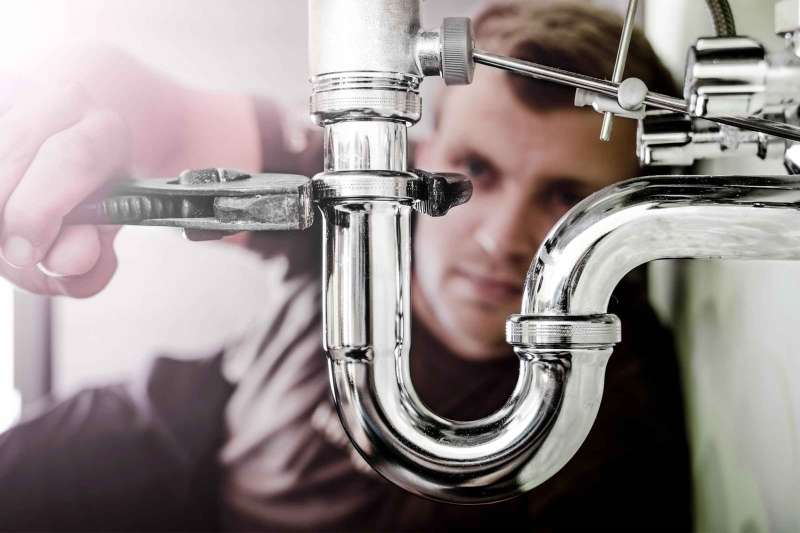
Installing and maintaining outside irrigation.
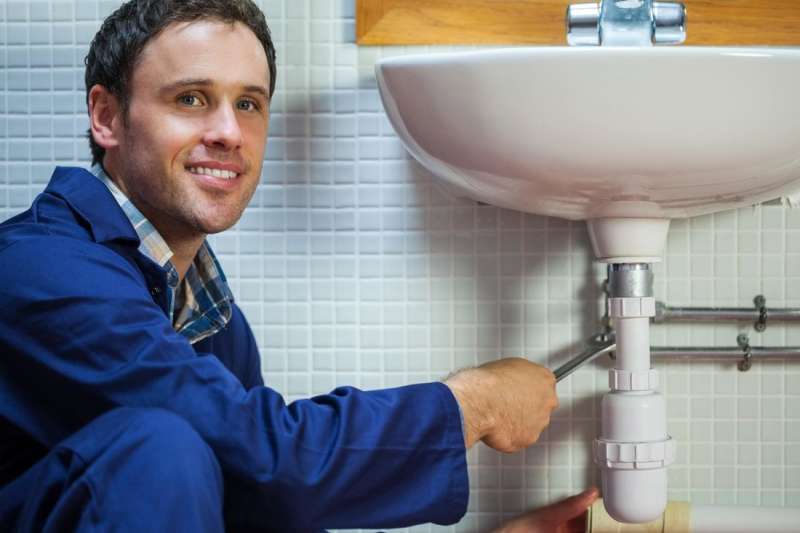
Plumbing systems for new buildings or restorations.

Fixing leakages in pipelines, faucets, toilets, and devices.
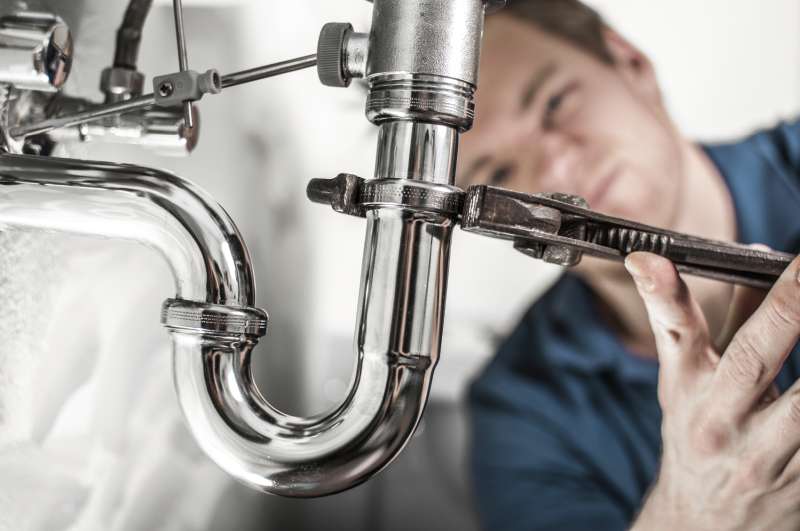
Quick resolution of severe obstructions and overflows.
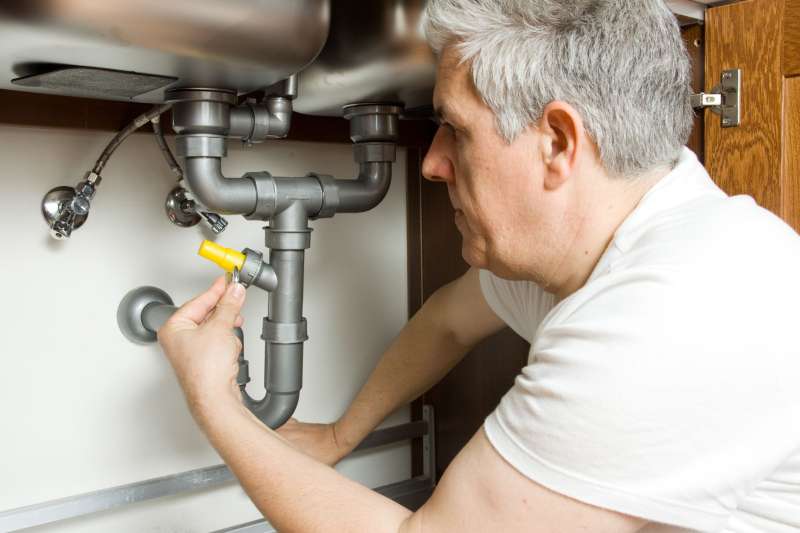
Utilizing cams to inspect pipes for damage or obstructions.
Repairing or changing burst, rusted, or damaged pipelines.
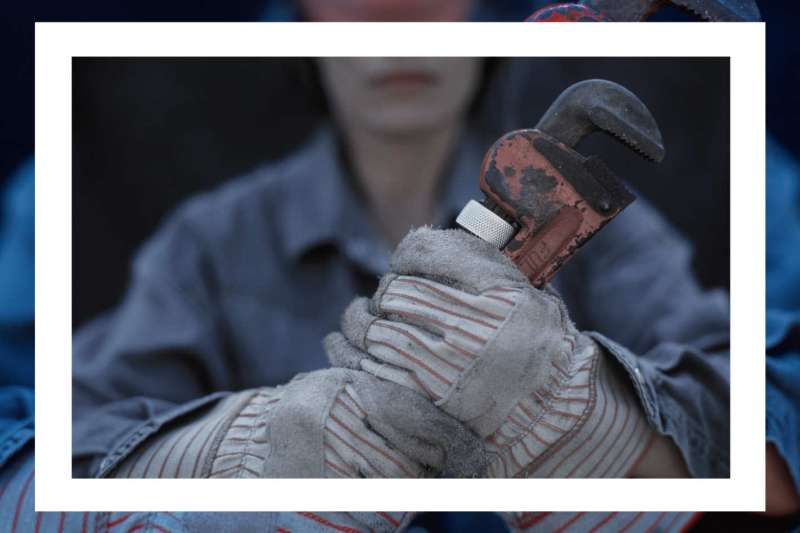
Installing new piping systems for water, gas, and drainage.
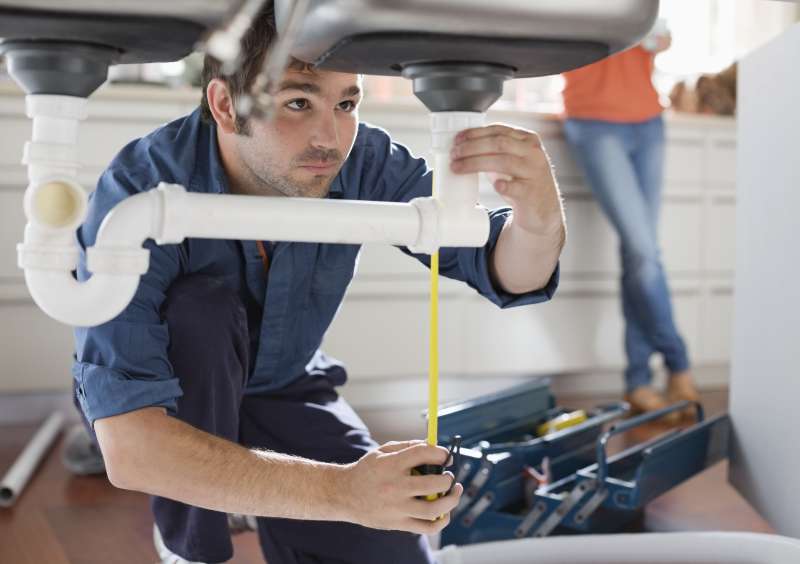
Evaluating plumbing systems before purchasing property.
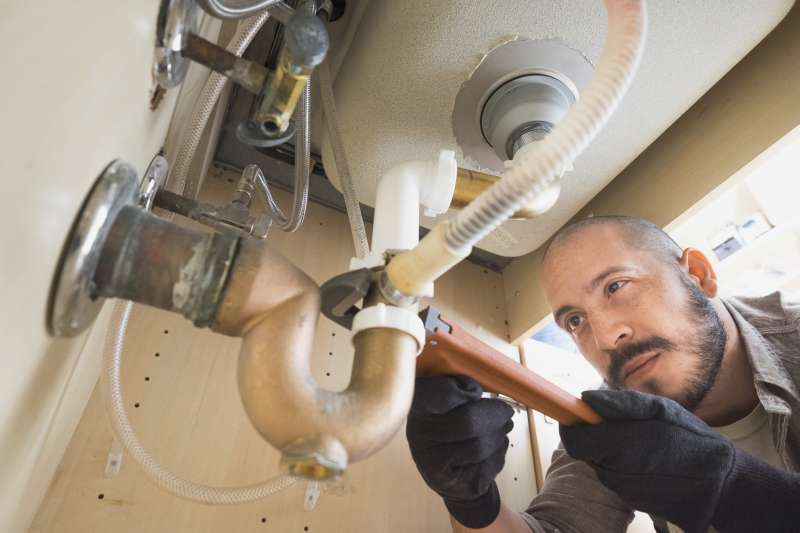
Installing systems to gather and use rainwater.
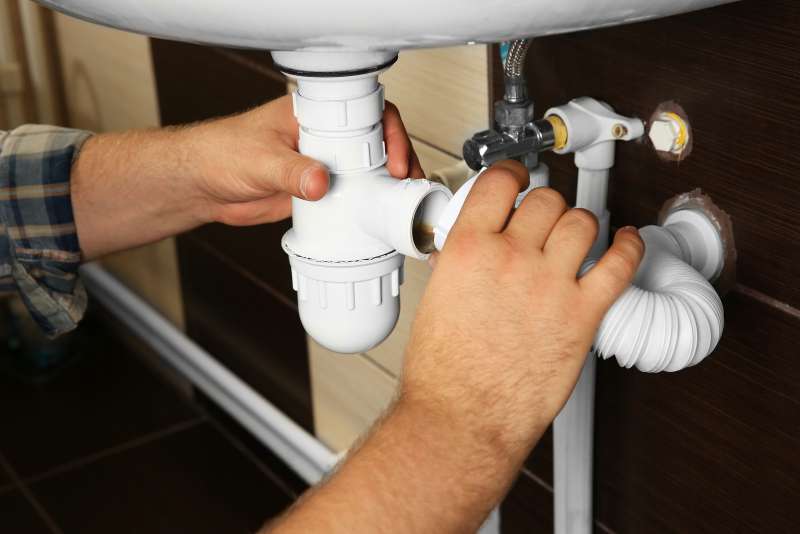
Continuous maintenance services for businesses.
Installing, fixing, and preserving septic systems.
Managing groundwater in basements.
Setting up water-efficient or contemporary fixtures.
Encouraging on water-saving techniques and products.
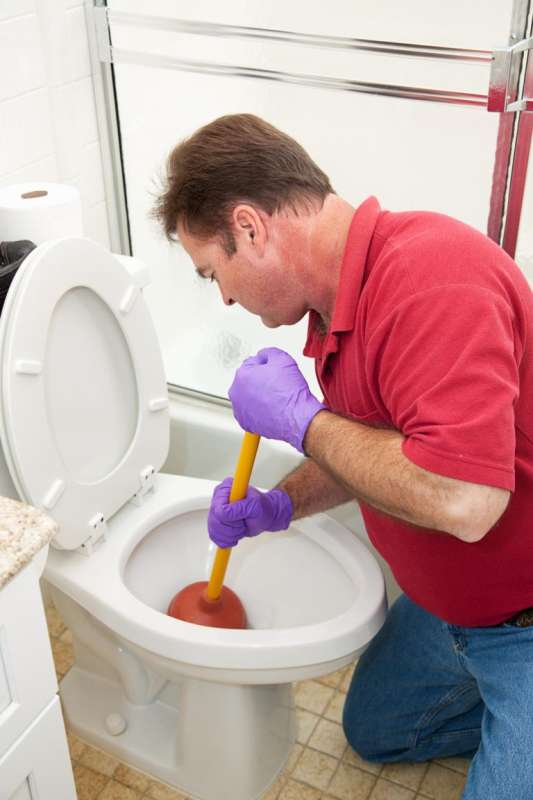
Installing water conditioners and filtering systems.
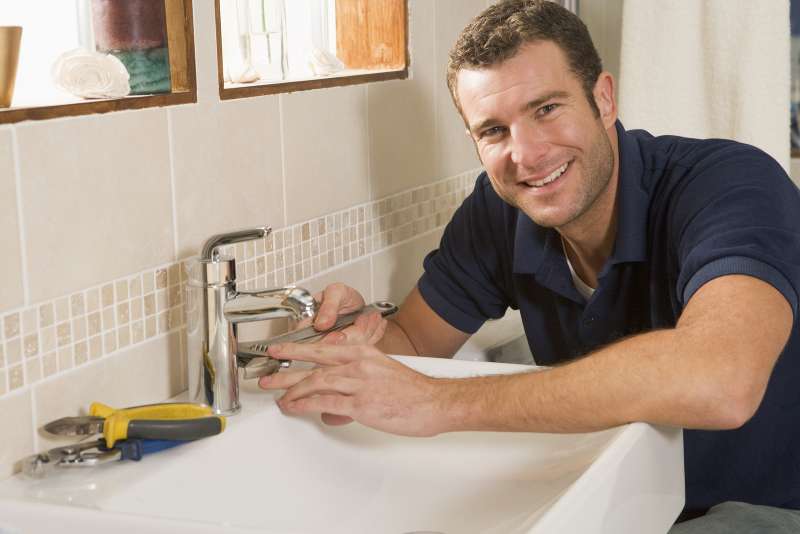
Flushing and checking water heaters to lengthen life-span.

Resolving problems with temperature, leakages, or failure to heat water.
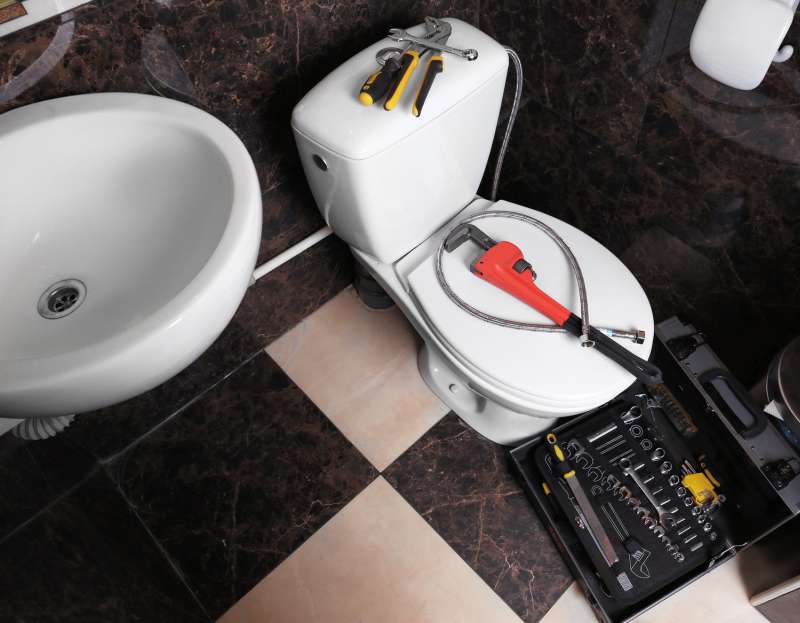
Securing basements or other areas from water intrusion.
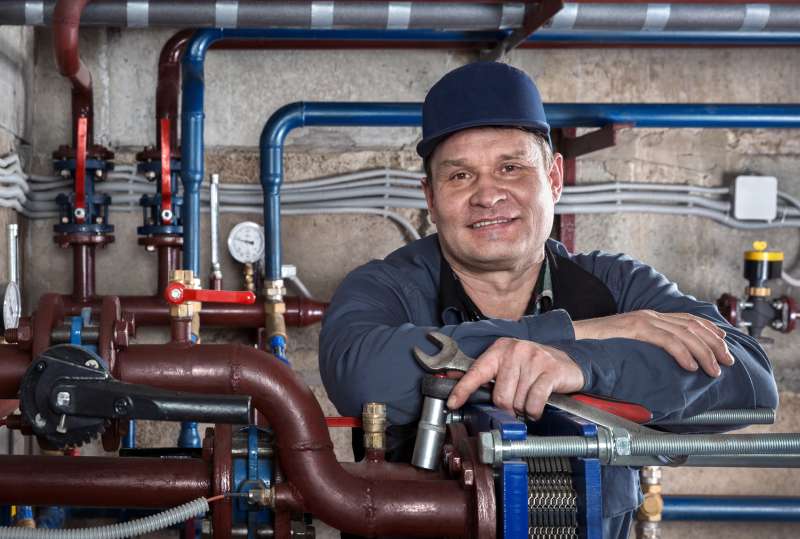
Immediate attention to prevent contamination and health dangers.